
A healthy lawn changes how a home feels from the moment you step over the kerb. It softens hard edges, cools outdoor spaces and creates a place where everyday life spills outside. Yet choosing turf is rarely as simple as picking the greenest roll on display. Climate patterns, soil conditions and how a yard is actually used all play a role in long-term success. For homeowners, builders and landscapers weighing up their options, understanding how turf is grown, supplied and installed can make the difference between a lawn that thrives and one that struggles. This guide explores the practical considerations that matter most, helping you move from early research to confident supplier selection.
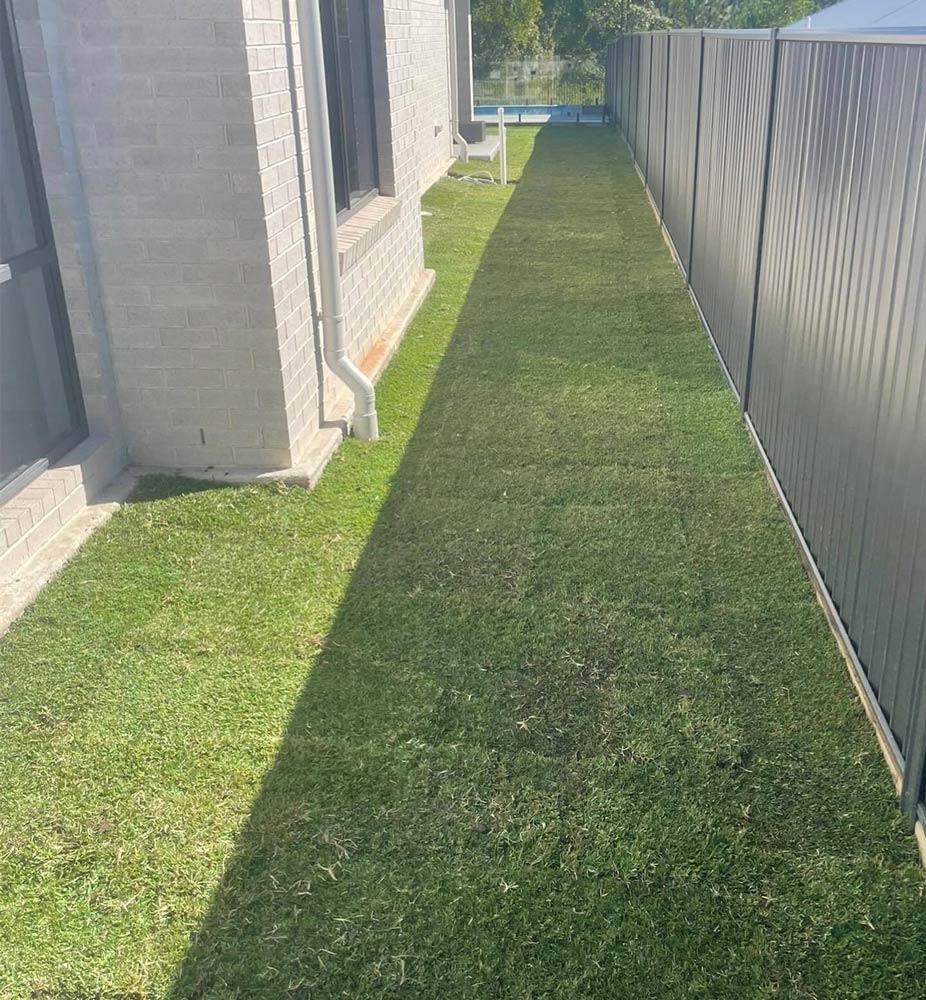
Start With How The Lawn Will Be Used
Every successful turf choice begins with a clear idea of how the space will function day to day. A lawn designed purely for visual appeal has very different needs to one that hosts pets, children or regular foot traffic. Before comparing turf varieties, it helps to picture how the area will actually be lived in over time. Usage patterns influence wear tolerance, recovery speed and overall longevity. A turf variety that looks pristine in low-use areas may thin or compact quickly when exposed to constant movement. Understanding this early helps narrow the field to turf options designed to handle real-world conditions rather than ideal ones.
Key usage factors to consider include:
- Frequency & intensity of foot traffic
- Presence of pets or play equipment
- Preference for a soft or firm surface
- Willingness to manage ongoing care
Clarifying these points keeps the selection process practical and avoids disappointment later.
Understand Local Climate Pressures
Climate has a greater impact on turf performance than many people expect. Heat, rainfall patterns and seasonal changes all affect how grass establishes and grows. Some turf varieties cope well with extended dry periods, while others handle heavier rainfall without breaking down or thinning. Turf grown for local conditions is typically more resilient because it has already adapted to regional weather patterns. This reduces transplant shock after installation and supports faster establishment. Selecting turf with climate compatibility in mind improves consistency across seasons.
When assessing climate suitability, consider:
- Tolerance to heat during warmer months
- Performance in periods of high humidity
- Growth behaviour through seasonal shifts
- Efficiency of water use during dry spells
Aligning turf selection with climate realities supports healthier lawns with fewer inputs.
Match Turf Type To Soil Conditions
Soil plays a critical role in turf success, yet it is often overlooked during the selection process. Different soil types drain, compact and retain nutrients in very different ways. A turf variety that performs well in one soil profile may struggle in another without proper preparation. Understanding how turf responds to existing soil conditions can prevent issues such as poor drainage, shallow root growth or nutrient deficiencies. In some cases, soil improvement may be recommended to support the chosen turf variety.
Important soil considerations include:
- Drainage performance after rainfall
- Nutrient retention & fertility levels
- Compaction from construction activity
- Soil structure affecting root penetration
Addressing soil compatibility early improves turf establishment and reduces long-term maintenance challenges.
Balance Appearance With Maintenance
A lush, fine-textured lawn is appealing, but appearance should always be balanced against the level of care required to maintain it. Some turf varieties deliver a manicured finish but demand frequent mowing, watering and fertilising. Others offer a slightly coarser look yet require far less ongoing input. Understanding this trade-off helps homeowners choose turf that suits their lifestyle rather than aspirational expectations. A lawn that fits your maintenance routine is more likely to remain healthy and visually appealing over time.
Maintenance factors to weigh include:
- Mowing frequency & preferred height
- Water requirements across seasons
- Fertiliser schedules & costs
- General resilience to common lawn stress
Choosing turf that aligns with your capacity for care leads to better long-term outcomes.
Consider Shade & Sun Exposure
Sun exposure varies significantly across residential properties. Buildings, fencing and established trees create areas of full sun, partial shade and heavy shade within the same yard. Not all turf varieties tolerate reduced light, making this a key selection factor. Assessing sunlight patterns throughout the day and across seasons helps identify which areas may need more shade-tolerant turf. This avoids patchy growth and inconsistent colour after installation.
When reviewing exposure, take note of:
- Average hours of direct sunlight per day
- Seasonal shifts in shade coverage
- Reflected heat from nearby surfaces
- Density of tree canopies
Selecting turf suited to light conditions supports even growth and a more uniform lawn.
Think Long Term Durability
Durability is about how turf performs months and years after installation, not just how it looks on day one. Strong root development, recovery from wear and resistance to common lawn problems all contribute to durability. Short-term savings on lower-quality turf often result in higher costs through repairs or replacement. Quality turf is grown, harvested and handled in a way that protects root systems and overall vitality. This supports faster establishment and better resilience under everyday use.
Indicators of long-term performance include:
- Dense, well-developed root systems
- Ability to recover from wear
- Resistance to pests & disease
- Consistent growth habits
Prioritising durability delivers better value over the life of the lawn.
Evaluate Supplier Practices Carefully
Not all turf suppliers operate to the same standards. How turf is grown, harvested and transported directly affects its quality on arrival. Freshness, handling methods and delivery timing all influence installation success. Looking beyond price alone is important when comparing suppliers. Those who focus on quality typically provide guidance on preparation, installation and aftercare, helping protect your investment well beyond delivery.
Supplier practices worth assessing include:
- Harvesting schedules aligned with delivery
- Storage & transport methods
- Consistency of turf quality
- Willingness to provide practical advice
Choosing a supplier with strong practices reduces risk and improves outcomes.
Use Expert Advice To Avoid Costly Mistakes
Many turf issues can be traced back to simple selection or preparation errors. Engaging with knowledgeable professionals early helps avoid these pitfalls. Their experience across residential, builder and landscaping projects provides insight that research alone cannot replace. Expert advice ensures turf selection aligns with site conditions, usage needs and maintenance expectations. This guidance often continues after installation, supporting long-term lawn health.
Working with experienced professionals helps you:
- Avoid unsuitable turf choices
- Prepare sites correctly from the start
- Improve establishment success
- Maintain lawn performance over time
Informed decisions lead to healthier lawns and fewer ongoing issues.
Ready To Choose Turf With Confidence
We at Sunshine Coast Turf & Landscapes support homeowners, builders and landscapers across the Sunshine Coast with turf that is grown for local conditions and real-world use. Our team focuses on practical guidance, consistent quality and reliable supply to help lawns establish successfully and perform long term. If you’re planning a new lawn or upgrading an existing space, contact us today to discuss your project, call for tailored advice or book your turf supply with a trusted local provider that understands the challenges and expectations of Sunshine Coast homes.