
If you are comparing quotes for installing turf on the Sunshine Coast, you have probably seen numbers that vary a lot for what looks like the same lawn. That is normal. The real turf installation cost changes with turf type, site preparation, soil quality, access, drainage and labour. Below, we explain each factor in a Sunshine Coast context so you can read quotes with confidence and choose on value, not guesswork.
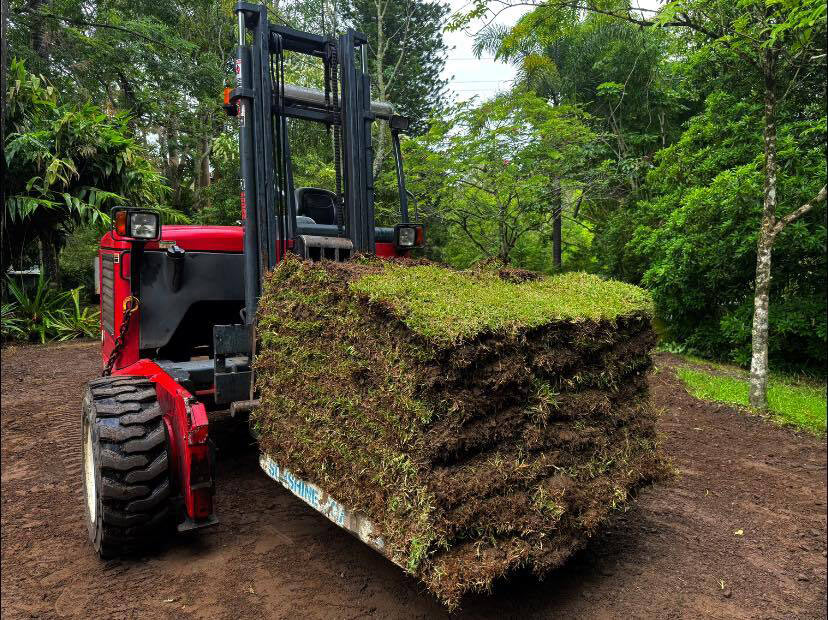
Turf Type Sets the Baseline
Your turf choice drives supply cost, handling and aftercare. Couch is budget friendly with a fine leaf and loves full sun, but it struggles in shade. Buffalo sits mid tier, feels soft underfoot and copes better with dappled light. Zoysia is a premium, dense option that establishes slower yet needs less mowing once it knits. Kikuyu repairs fast after wear, though it needs regular edging to stay tidy.
- Couch: lowest upfront, high sun tolerance, poor in shade
- Buffalo: family friendly, better shade tolerance, moderate price
- Zoysia: premium look, slower to establish, low long-term upkeep
- Kikuyu: tough and fast, needs firm edging to control spread
Pick for how the yard is used, not just price per square metre. A cheaper lawn that fights shade or foot traffic will cost more in water and patch repairs over its first two summers.
Site Preparation Decides Year-Two Results
Preparation is where quotes diverge and where lawns succeed. On new builds the subgrade is often compacted fill. Proper prep removes rubble and old roots, then sets gentle falls away from the house. A quality crew cultivates to depth, blends organics into sandy profiles, and laser levels before laying. They finish by rolling and pre-watering the base so the first irrigation does not create ruts. If a proposal skips these steps, expect sinkholes, dry spots and uneven growth. Day-one savings are quickly lost to re-levelling, top-dressing and extra watering.
Soil Condition: Sandy, Clay or Mixed Fill
Soils across the Coast range from free-draining sand to heavier clay pockets. Sandy profiles drain fast and need organic matter plus wetting agents to hold moisture. Clay benefits from gypsum and structural blending so water does not sit under the mat. Mixed fill can hide rock or builder’s waste that slows installation and creates hot patches in summer.
- Quick on-site test: dig to 100 mm. If soil runs like beach sand, add organics. If it clumps like clay, plan for gypsum and blending
- Target depth: a prepared base of roughly 100 mm gives roots a consistent bed
- What it changes: better soil equals steadier colour, thicker cover and fewer dry edges by Christmas
Access & Logistics Change Labour
Two identical areas can cost differently to install. Narrow gates, stairs and steep side paths mean more wheelbarrow runs and extra hands. If a dingo or skid steer cannot reach the back, soil movement slows. Pallet placement also matters; when rolls sit close to the lay area, edges line up cleaner and you pay for less dead time.
- Constraints that add hours: tight access, long carries, multi-level yards
- Time savers: clear side paths, a staging pad for pallets, a skip on site for spoil
- Good sign in a quote: written access notes and a plan for protecting paths or driveways
Drainage & Levels Prevent Do-Overs
A level lawn looks great, yet every yard needs controlled fall to move stormwater off quickly. On sloping sites the goal is a gentle grade that sheds water without making mowing risky. Some properties need spoon drains, ag lines or lily pads at downpipes to stop scouring.
- What to look for in quotes: stated falls in mm per metre, not vague promises
- When hardware is needed: nowhere for water to go, or visible pooling after rain
- Don’t forget: spoil removal and reinstatement so you are not left with mounds
Getting drainage right during preparation is far cheaper than chasing boggy patches, fungus and thatch after the first wet season.
Irrigation During Establishment
You can lay turf without in-ground irrigation, but you cannot establish it without consistent moisture. Small shaded yards may succeed with portable sprinklers and a simple schedule. Full-sun family lawns benefit from basic pop-ups with zones sized for even coverage. Coastal breezes strip moisture fast, so overlap and nozzle choice matter.
- Week 1: light, frequent watering to keep rolls damp
- Weeks 2–3: deeper, less frequent watering to drive roots down
- Week 4: shift to a normal schedule and mow high
- If no system is included: ask who waters during install and for a written four-week plan
Edging, Transitions & Finishing Details
Edges stop creep into gardens and make mowing quick. Steel edging gives a clean line and curves well, concrete strips are durable, and pavers look smart around paths or pools. Transitions need time: cutting around tree wells, aligning to coping and tucking edges so they do not lift. A professional finish includes corner trimming, rolling and the first watering.
- Include in scope: edge type and lineal metres, who supplies pavers or steel, how interfaces are finished
- Why it matters: crisp edges and neat joins keep a lawn looking installed, not just dropped in
Reading Quotes in the Sunshine Coast Context
Square metres tell only part of the story. A transparent local quote will spell out turf variety and grade, cultivation depth, soil blend volumes, target falls, pallet placement and access assumptions. It should list tip fees, first fertiliser or wetting agent, and simple aftercare. It also ought to reflect local realities that move the needle on cost:
- Sandy soils: plan for organics and wetting agents to prevent hydrophobic patches
- Salt exposure: choose stainless fixings on edging to avoid stains near the ocean
- Slopes: allow for extra labour and sometimes terracing to keep mowing safe
- Trees and pets: deeper improvement around trunks, tougher varieties for fence runs
When two quotes match on scope, the cheapest price is meaningful. When one is light on detail, expect variations on the day. The best value is a lawn that stays green with less water and fewer callouts over the first two years, not just the lowest day-one figure.
The Bottom Line
There is no single price for turf on the Sunshine Coast because blocks, soils and access differ street to street. Costs rise or fall with turf variety, base preparation, soil improvement, drainage, edges, irrigation and labour. A quote that explains the why behind each line item will deliver a lawn that looks good sooner and stays that way through heat, wind and summer storms.
Book Sunshine Coast Turf — Turf on the Sunshine Coast
At Sunshine Coast Turf, we design, prepare and install lawns that suit local soils, slopes and coastal exposure. If you want a clear quote that shows soil depth, drainage, turf variety and aftercare, visit sunshinecoastturf.com.au to book a site check. Tell us your yard size, sun patterns and access, and we will map a lawn that fits your budget and thrives in Sunshine Coast conditions.